
Duncans Mills
RAILROAD CROSSING TO RIVER RESORT COUNTRY
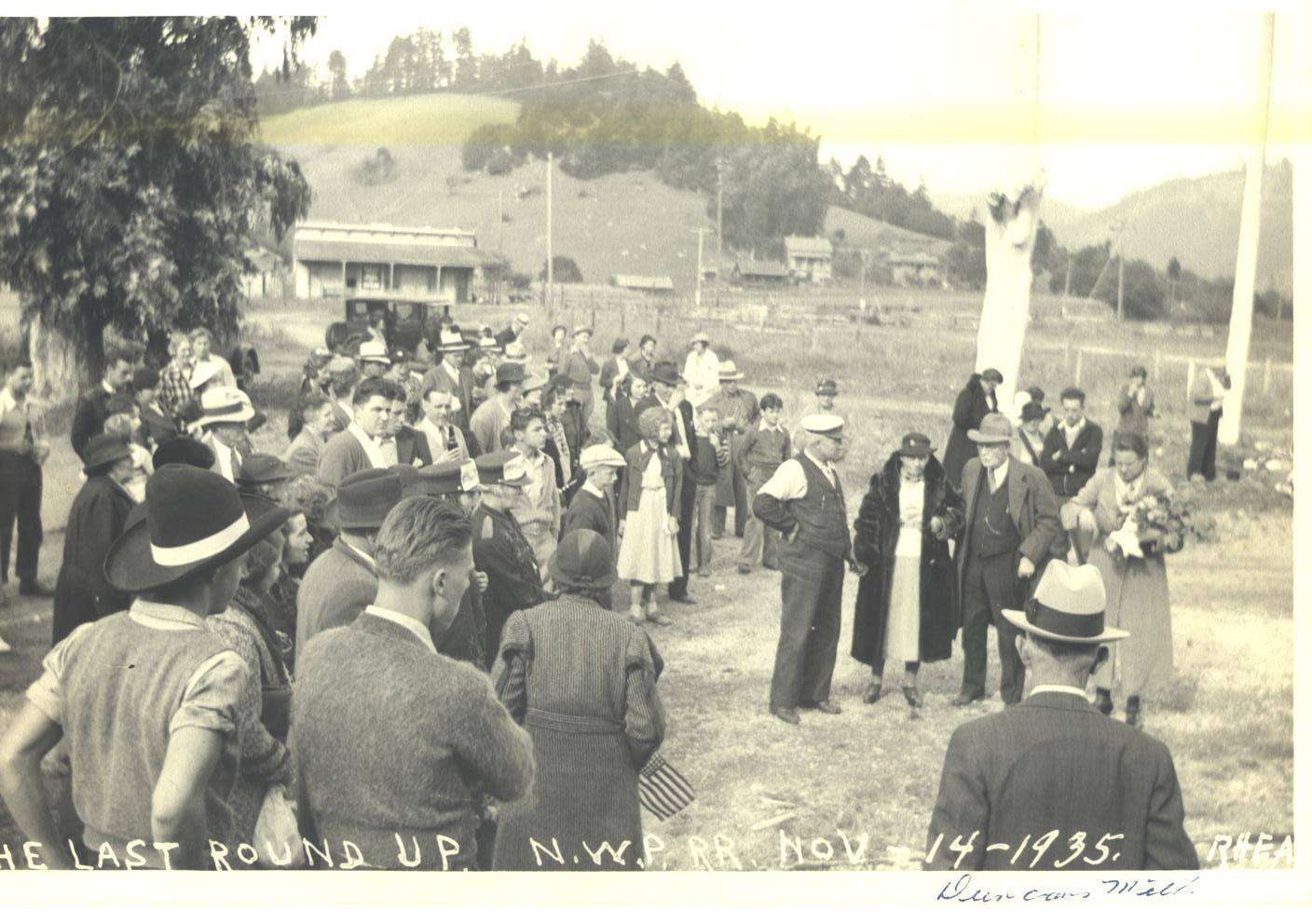
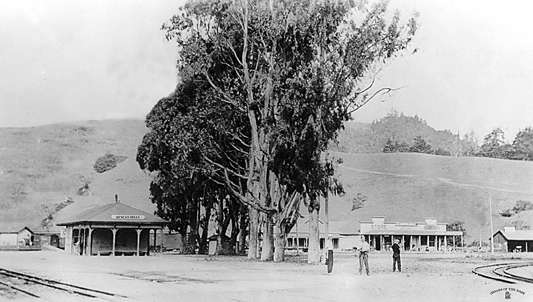
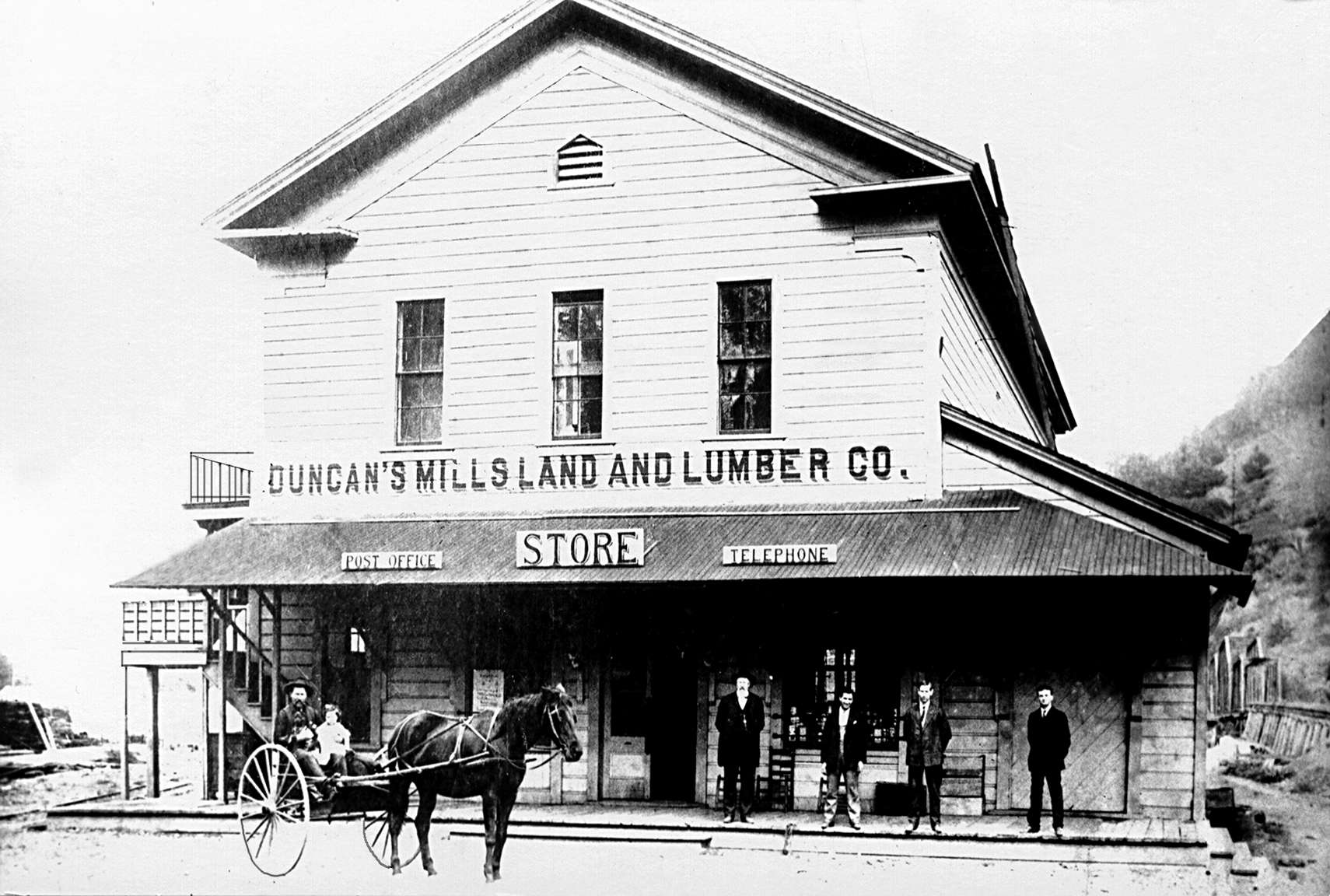
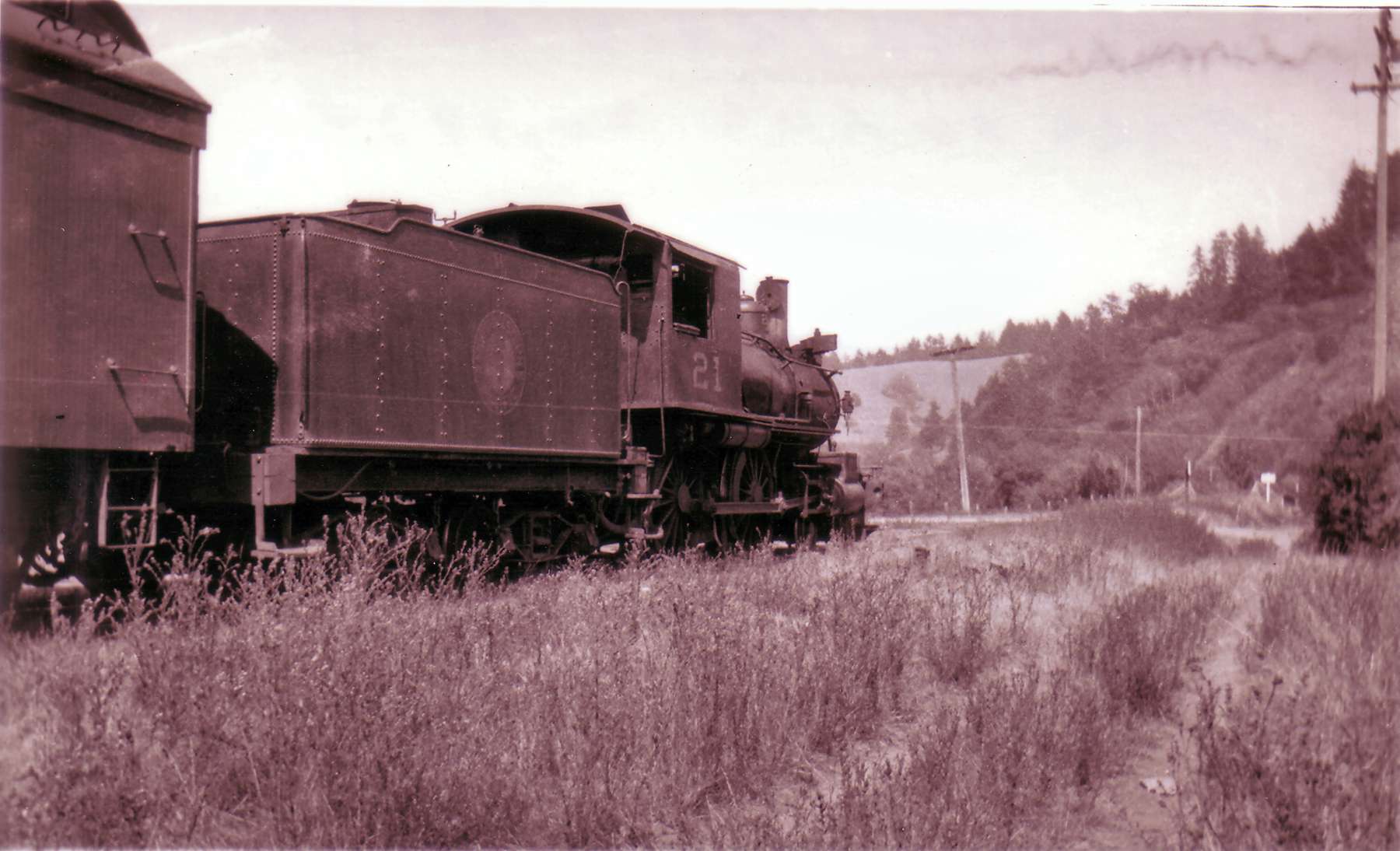
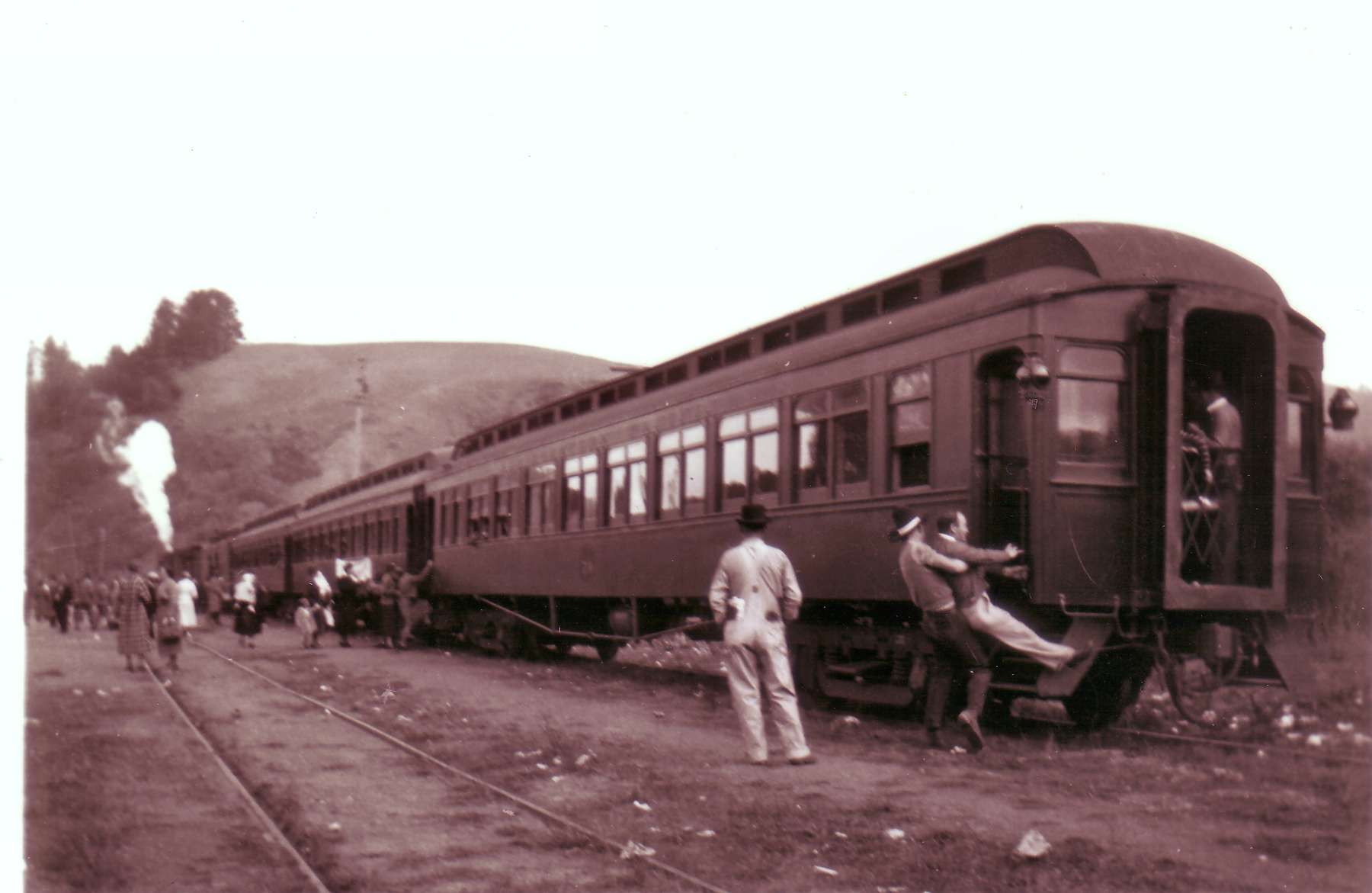
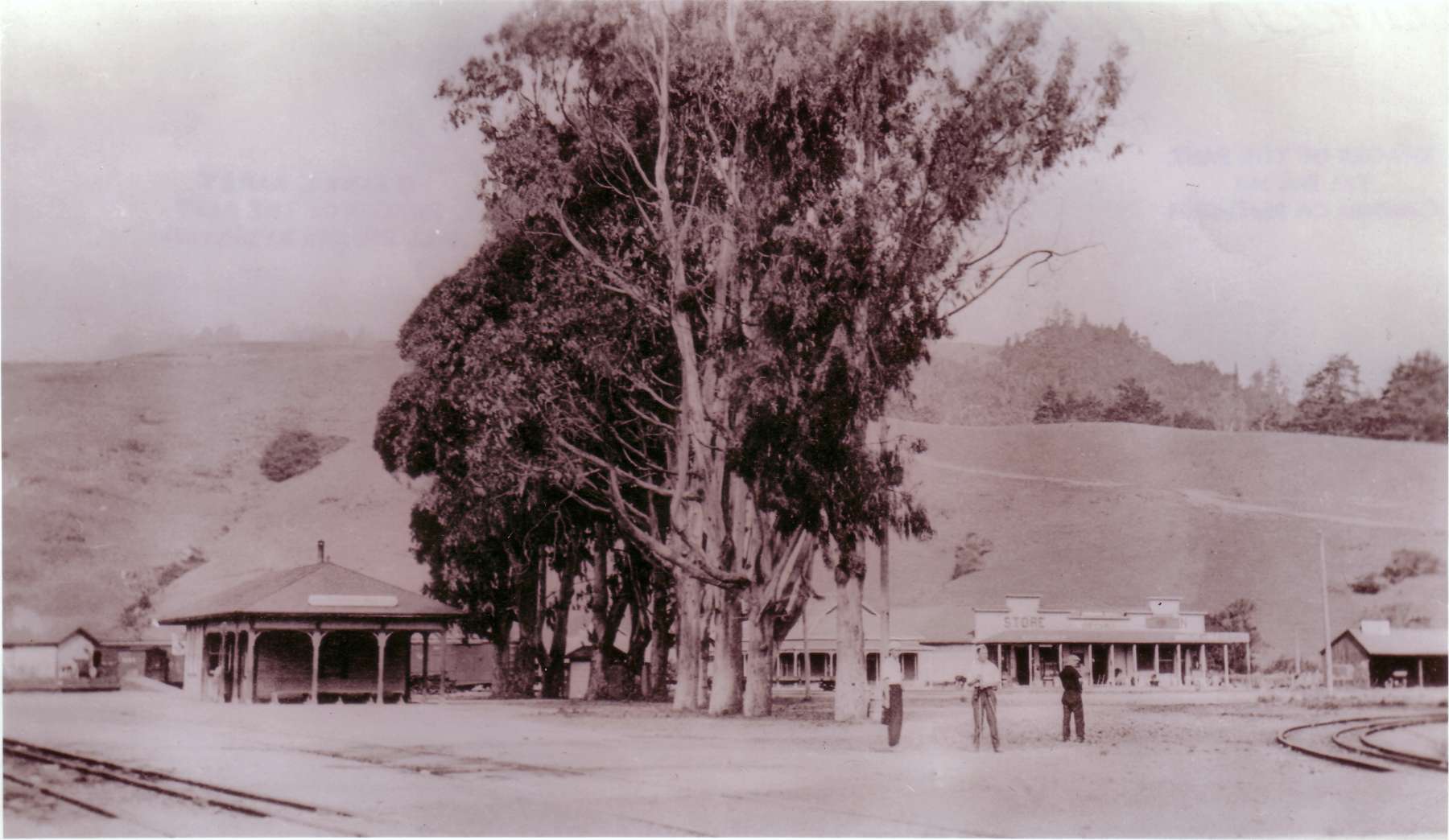
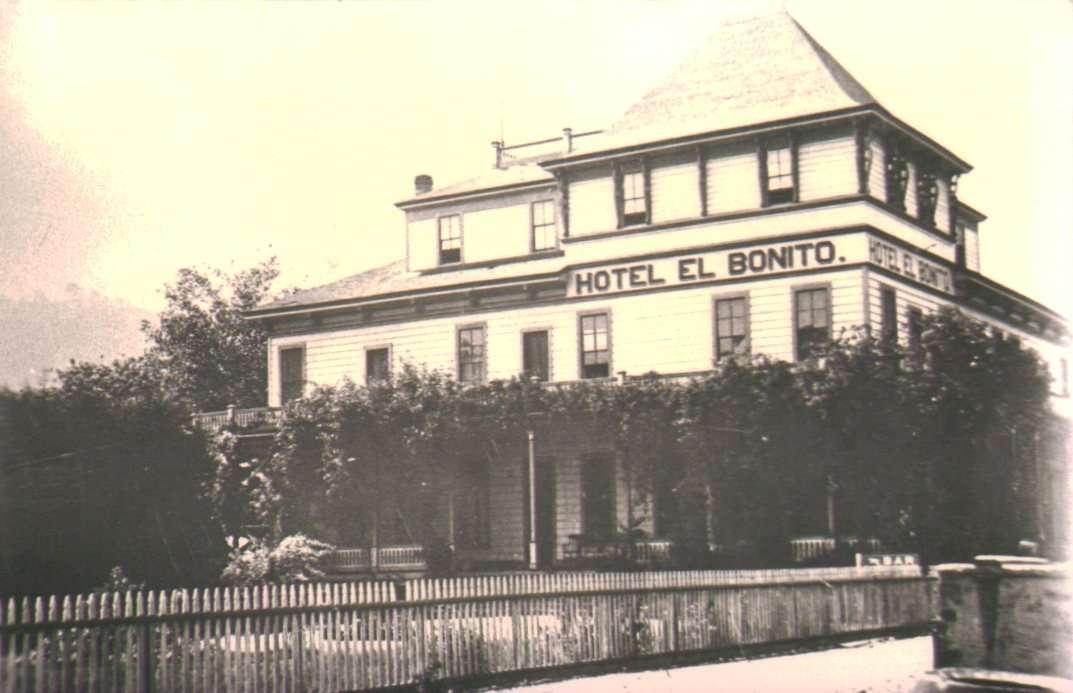
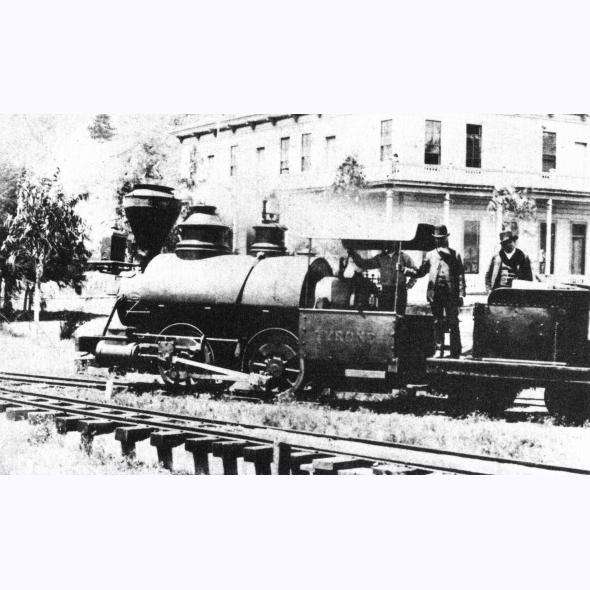
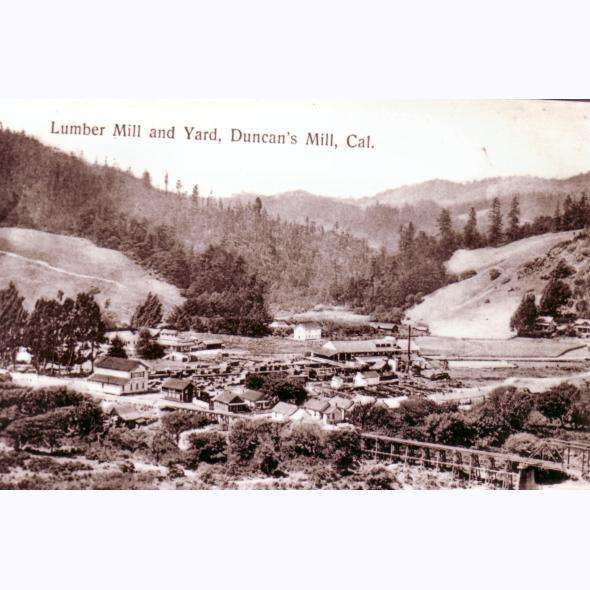
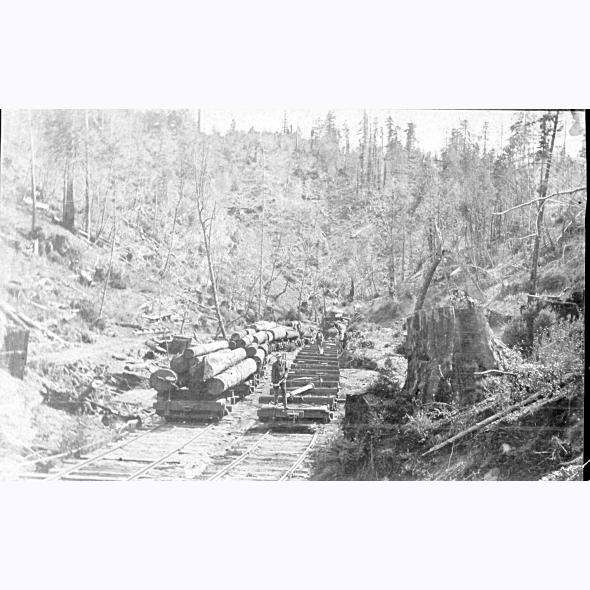
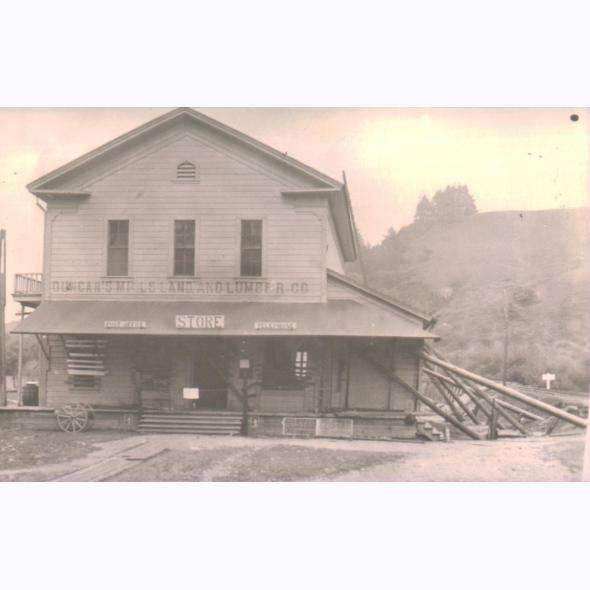
Duncans Mills began in the 1870s as a milling and shipping point for the redwood timber industry, taking shape along the Russian River as logs and lumber moved out of the forests and into the region’s growing economy. Its biggest turning point came with the railroad: when the North Pacific Coast Railroad reached the area, Duncans Mills became a busy stop and river crossing where goods, workers, and visitors flowed between the coast and inland towns. Reminders of that era still linger in the town’s railroad story—celebrated through historic train displays and a small local museum that helps keep West County’s rail-and-river past visible. Civic life also centered on essentials like the post office and general store, anchoring a community that served both local families and travelers. As logging waned, the village shifted toward tourism, and in more recent decades it found new life as a destination for antiques, art galleries, and small specialty shops. Floods periodically tested the community, but the town’s resilience and historic charm endured. Today Duncans Mills remains tiny but memorable—known for its preserved main street, creative storefronts, and its role as a gateway between the Russian River and the Sonoma Coast.
ENGAGE WITH OUR HISTORY
This gallery is just a small selection—the Russian River Historical Society is actively digitizing our extensive photo archives; if you have historic Russian River images or artifacts to contribute (or would like to donate to support this preservation work), we’d love your help.
Photo Gallery
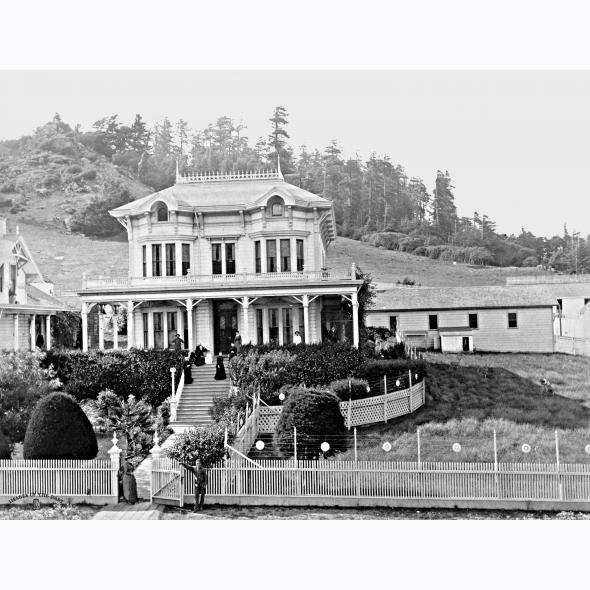
Duncans Mills
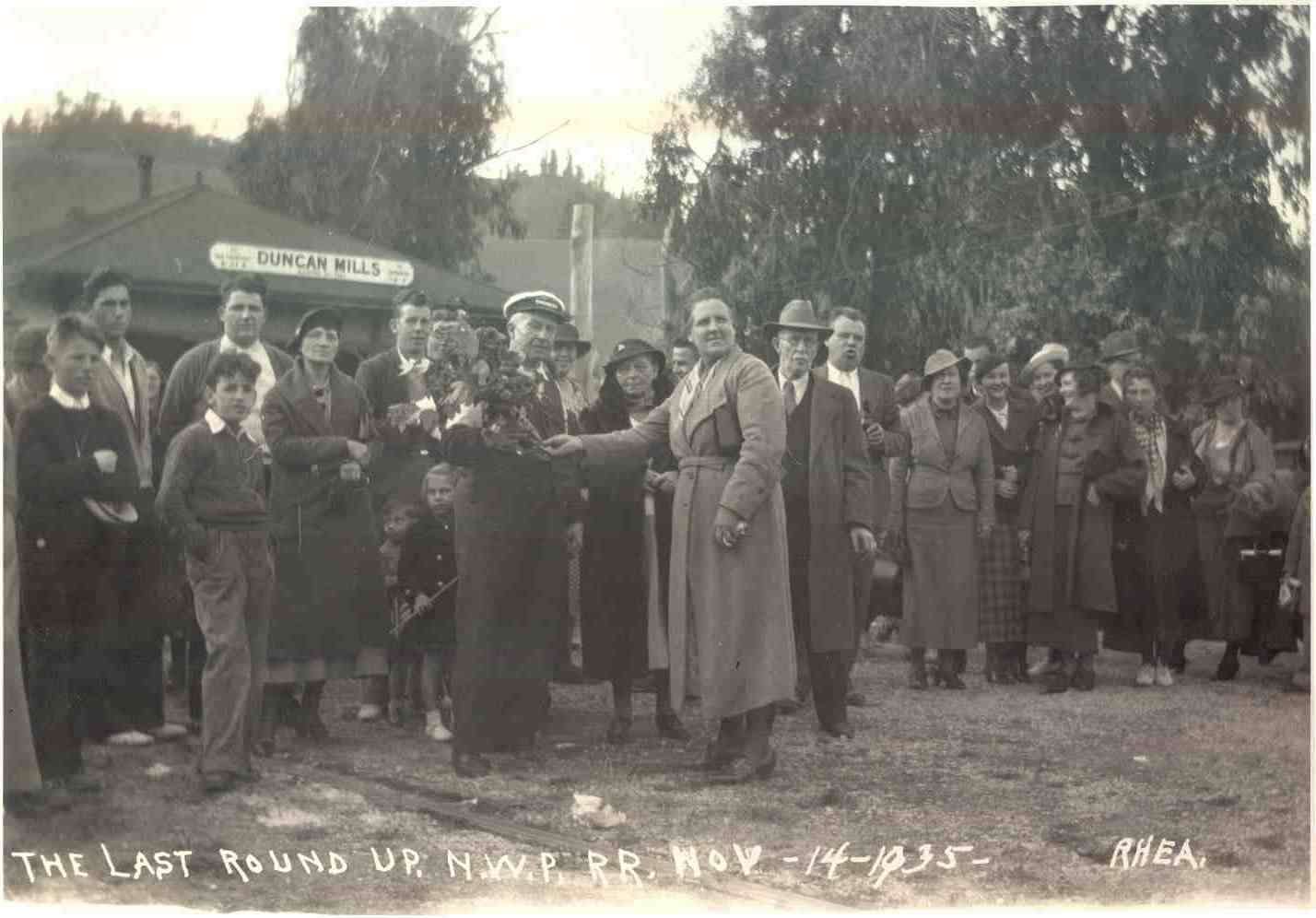
Duncans Mills
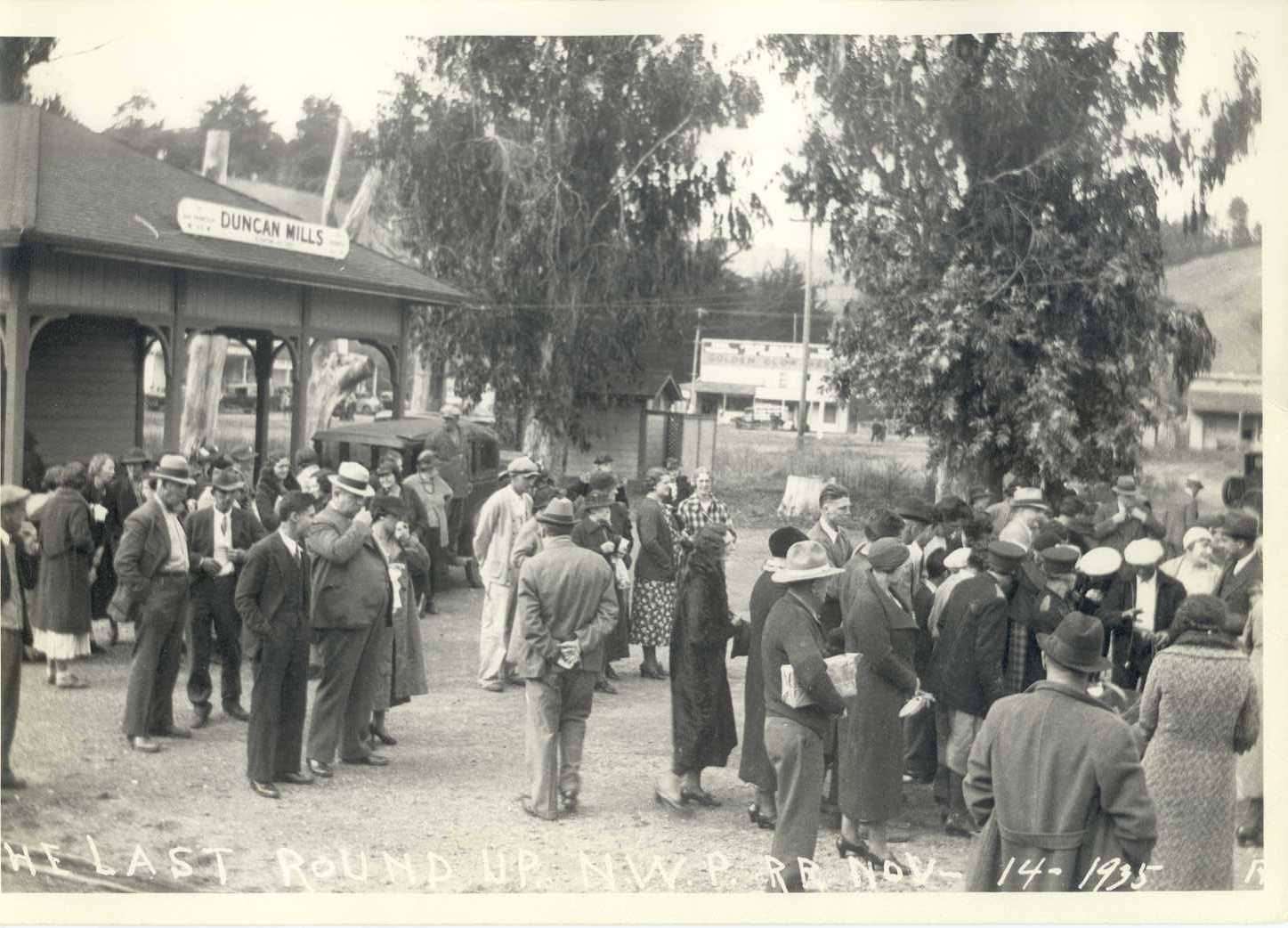
Duncans Mills
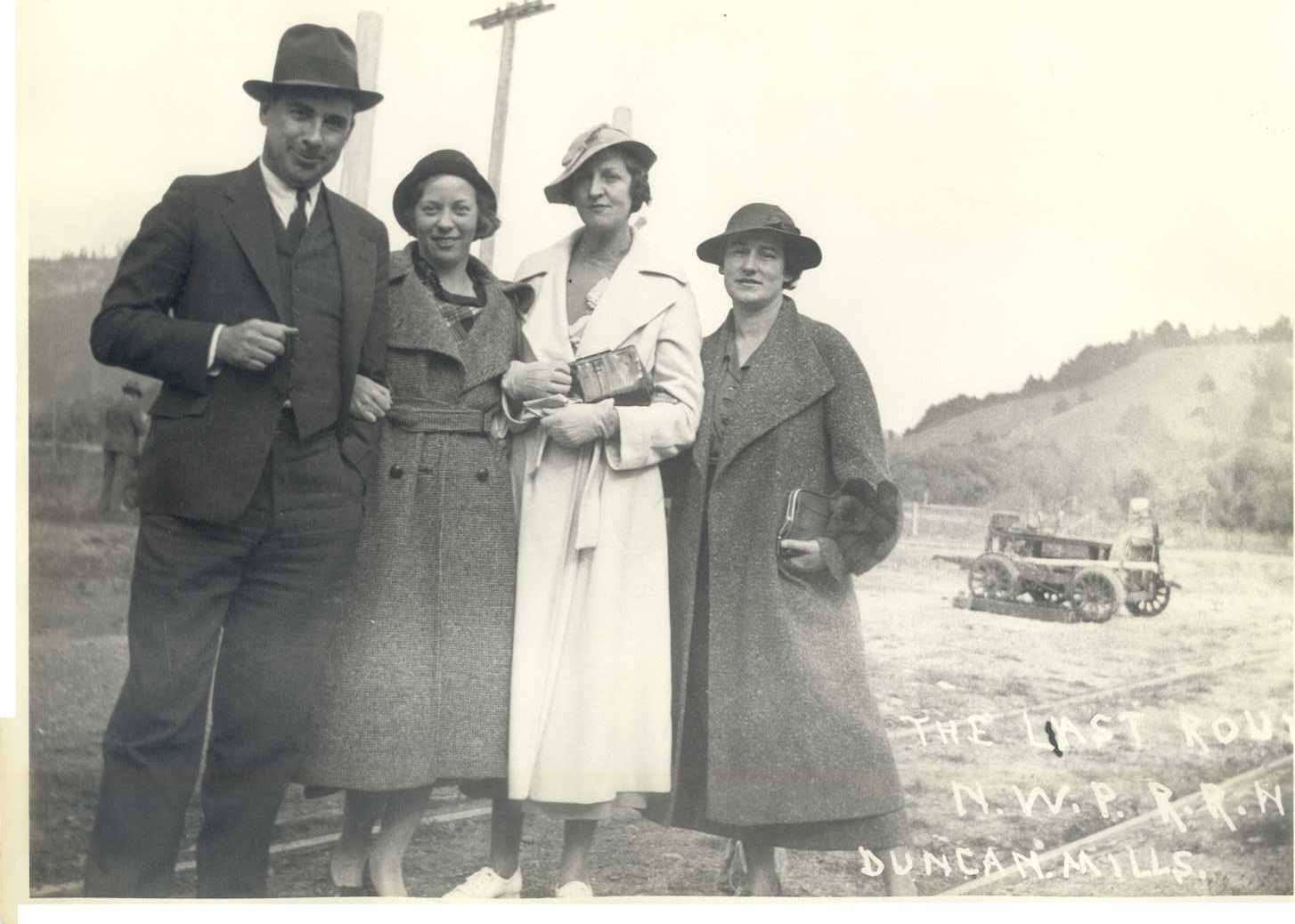
Duncans Mills
Duncans Mills
Duncans Mills
Duncans Mills
Duncans Mills
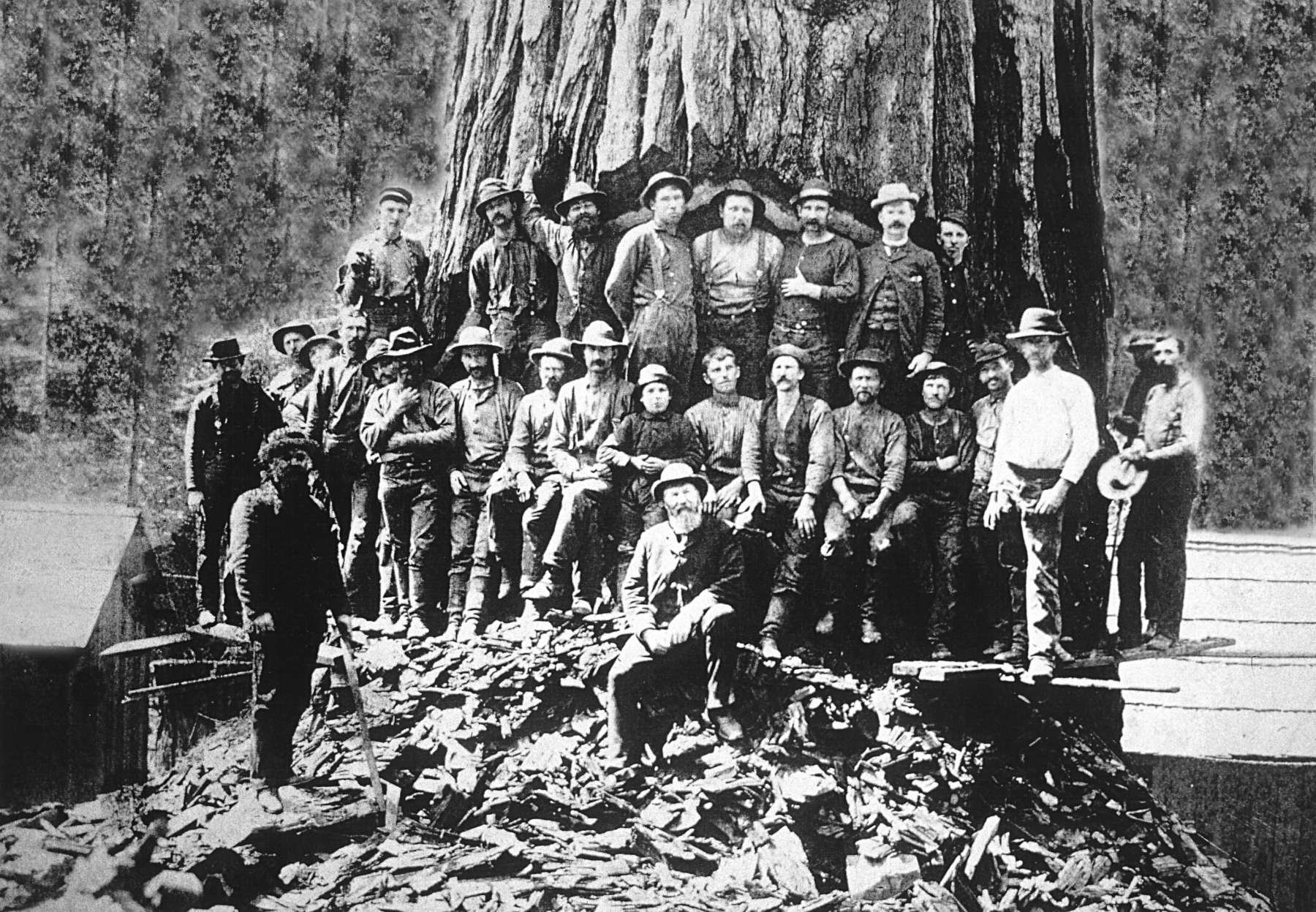
Duncans Mills
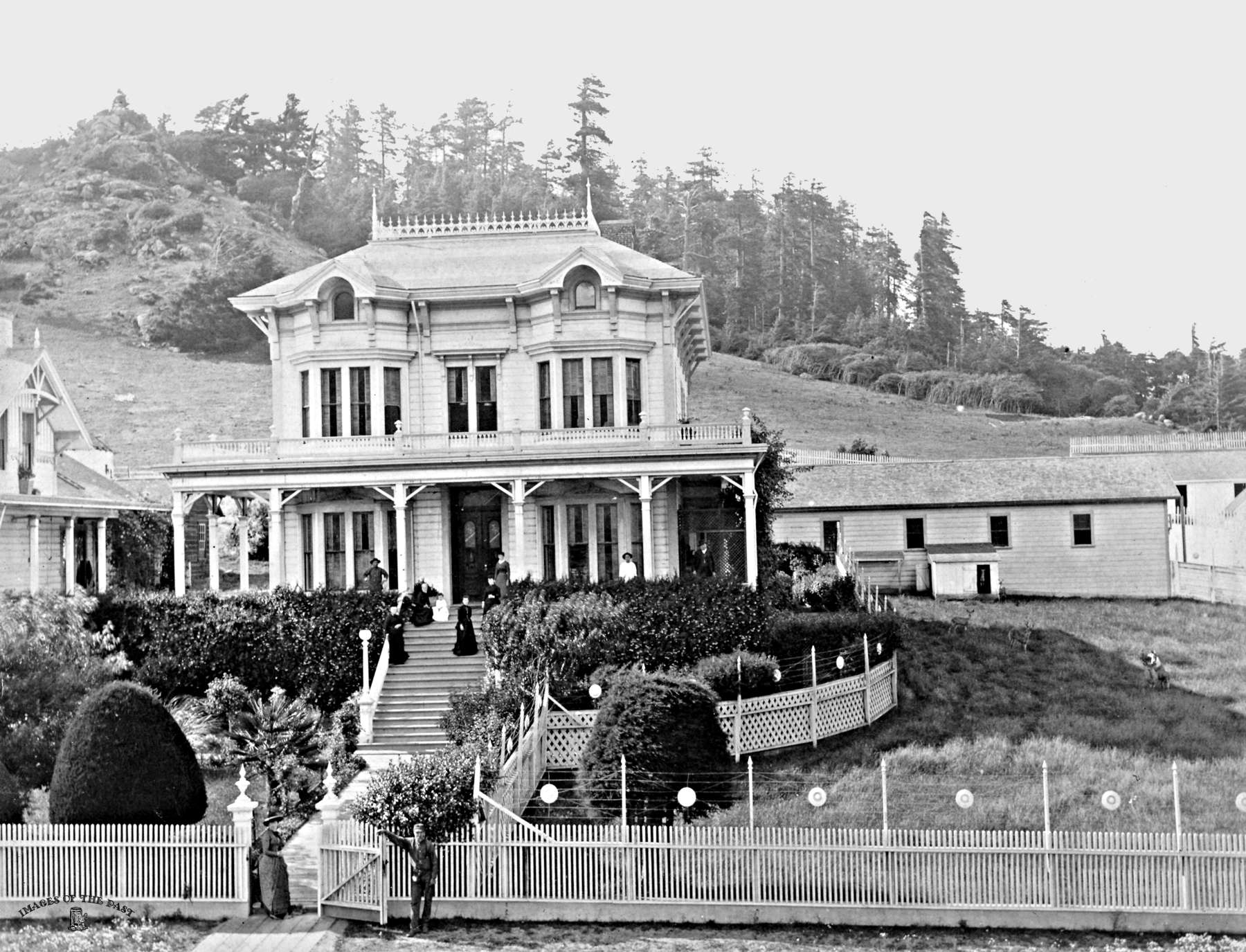
Duncans Mills
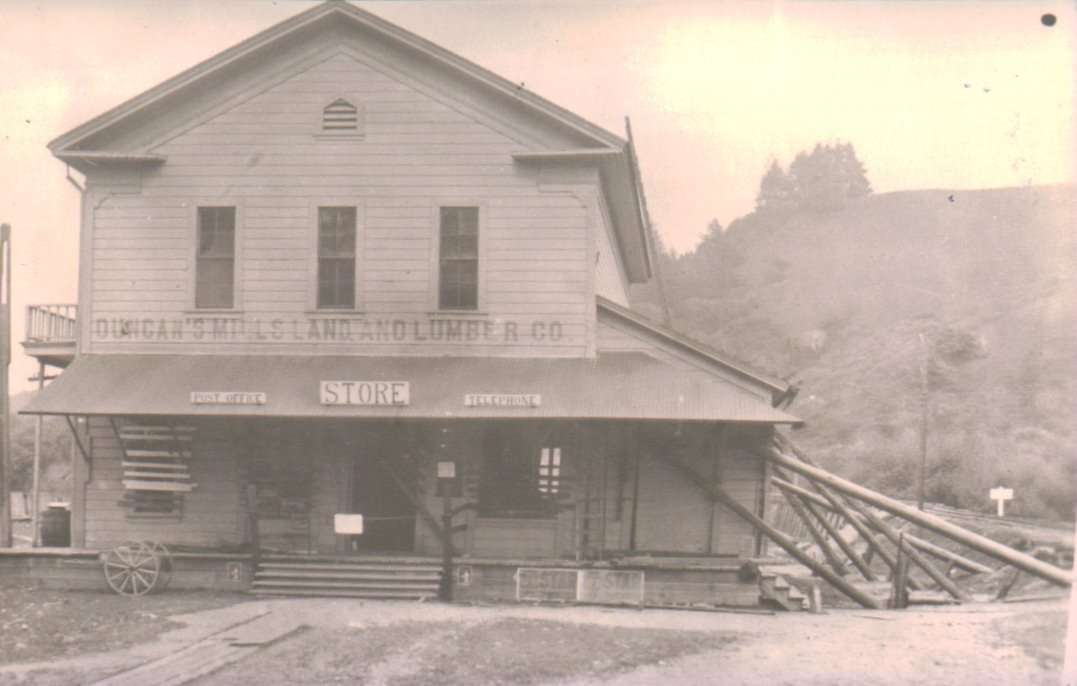
Duncans Mills
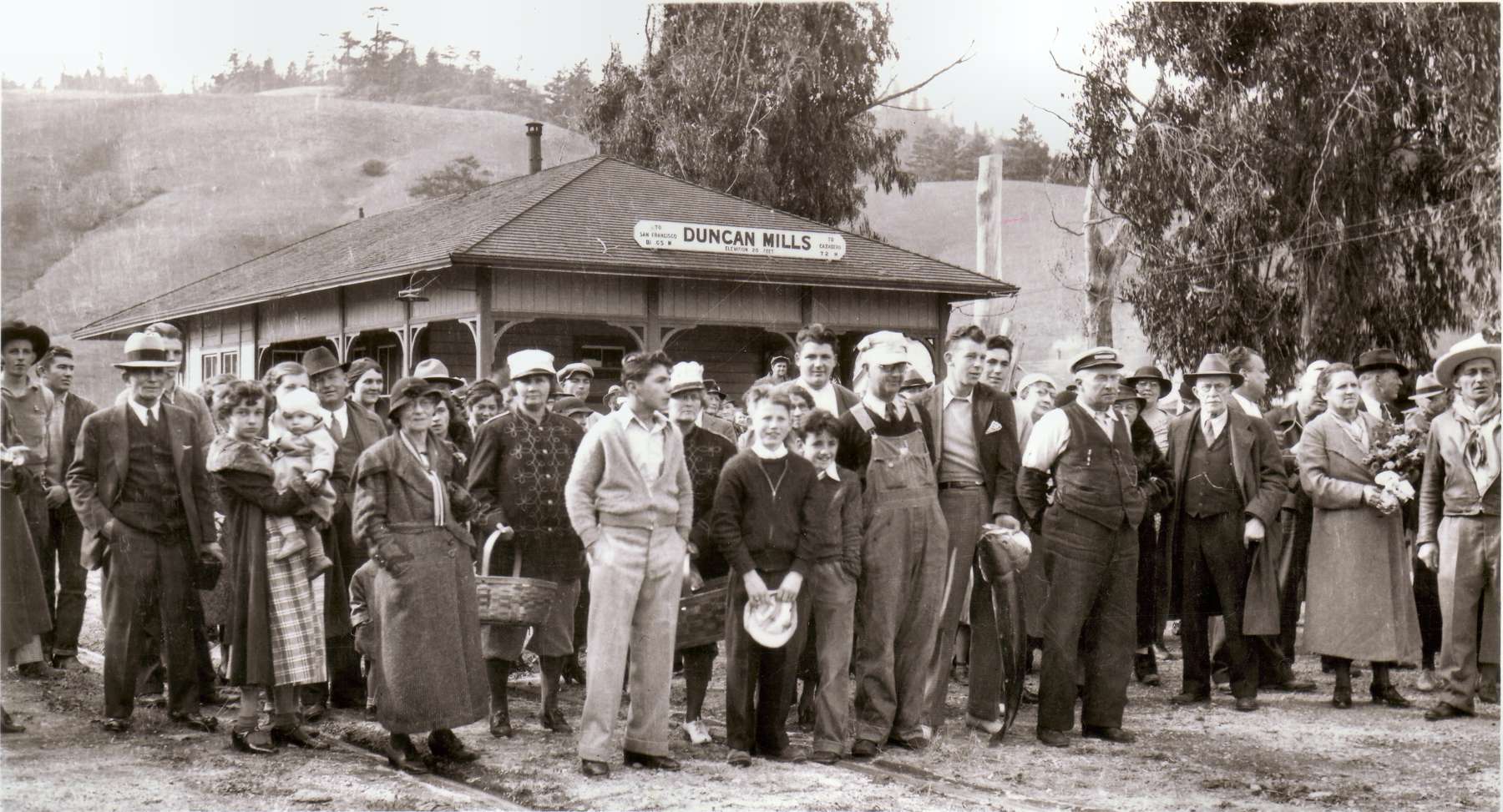
Duncans Mills
Duncans Mills
Duncans Mills
Duncans Mills
Duncans Mills
Duncans Mills
Duncans Mills
Duncans Mills
Duncans Mills
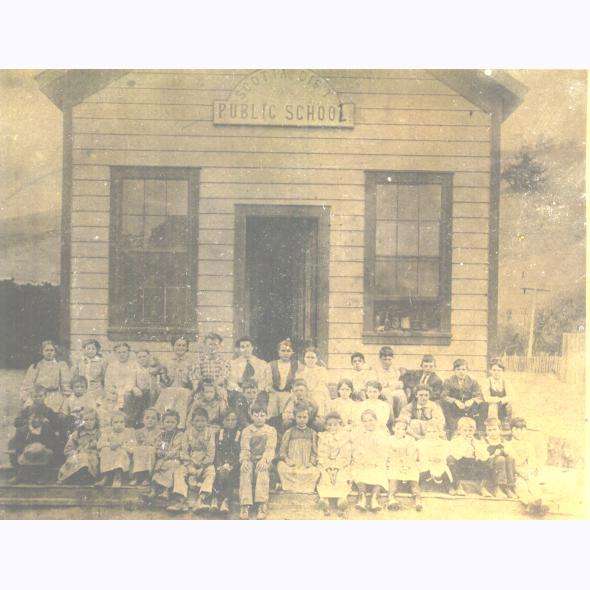
Duncans Mills
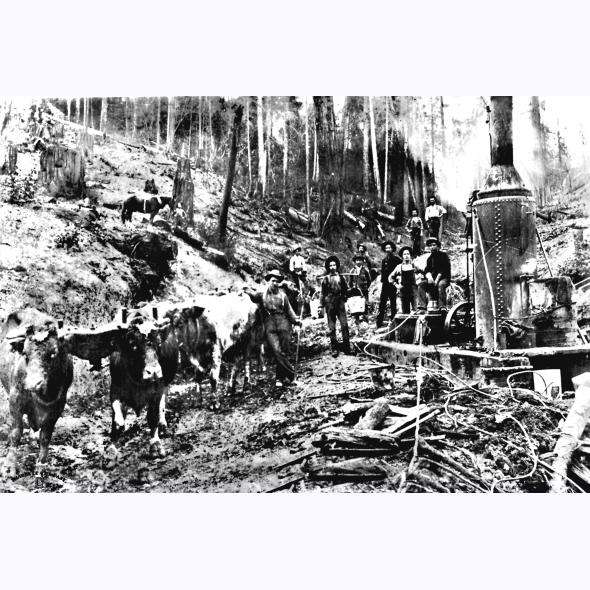
Duncans Mills
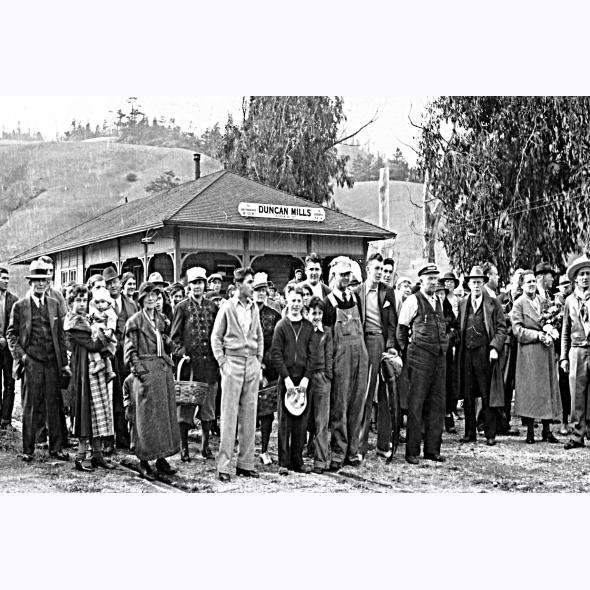
Duncans Mills
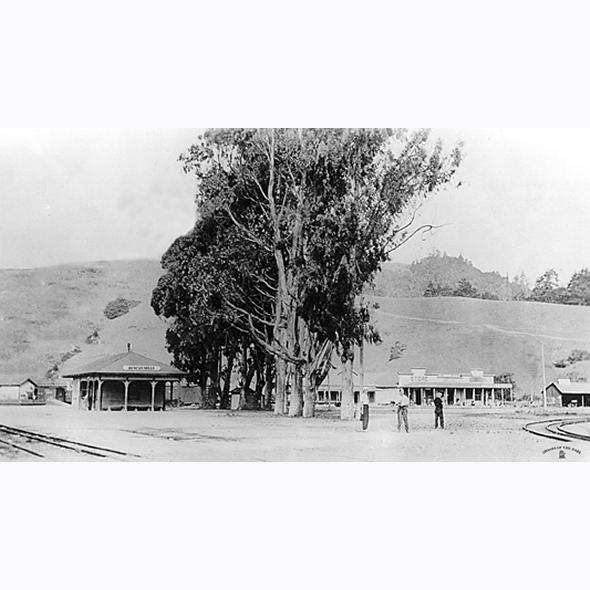
Duncans Mills
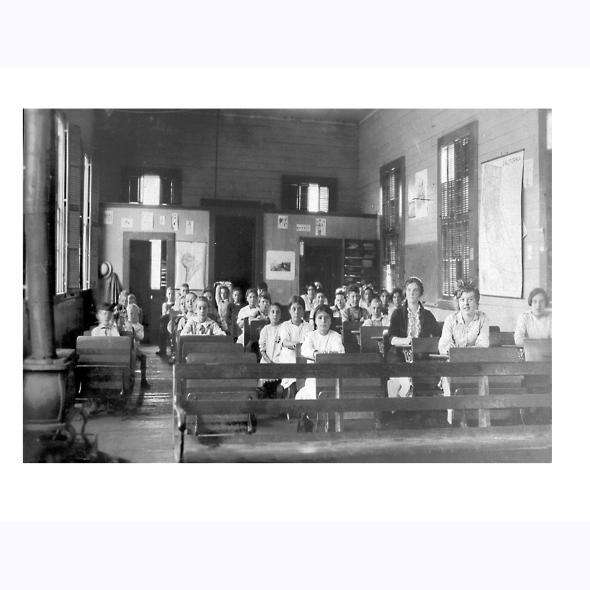
Duncans Mills
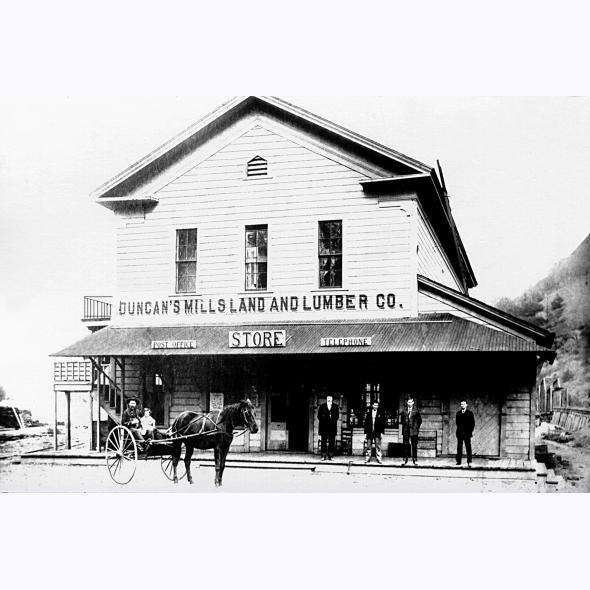
Duncans Mills
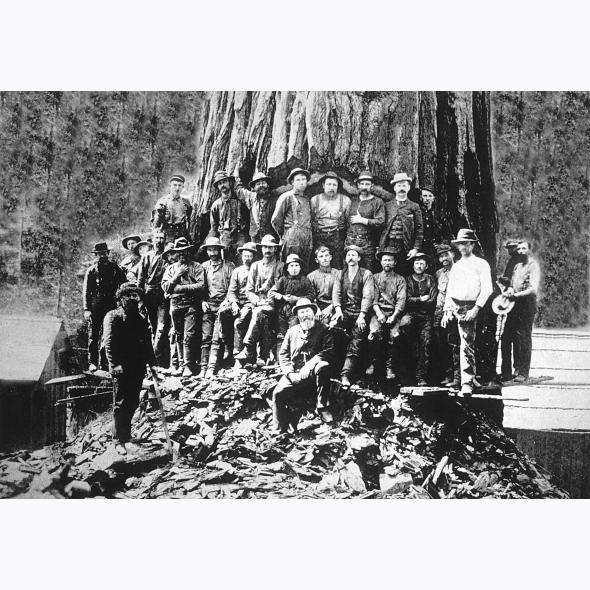
Duncans Mills
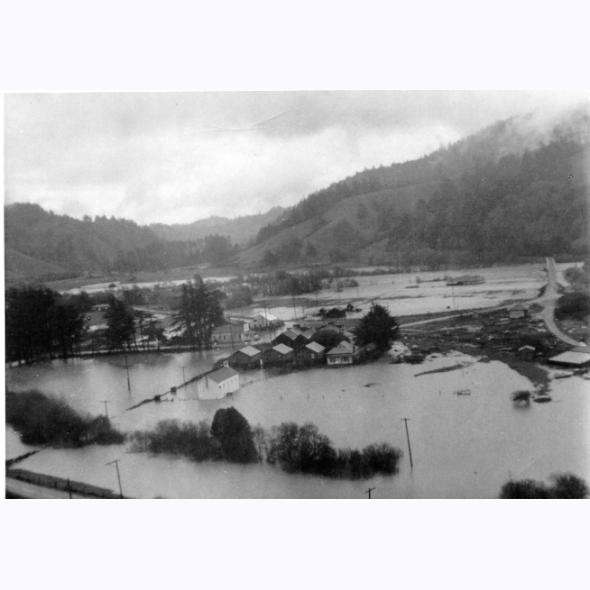
Duncans Mills
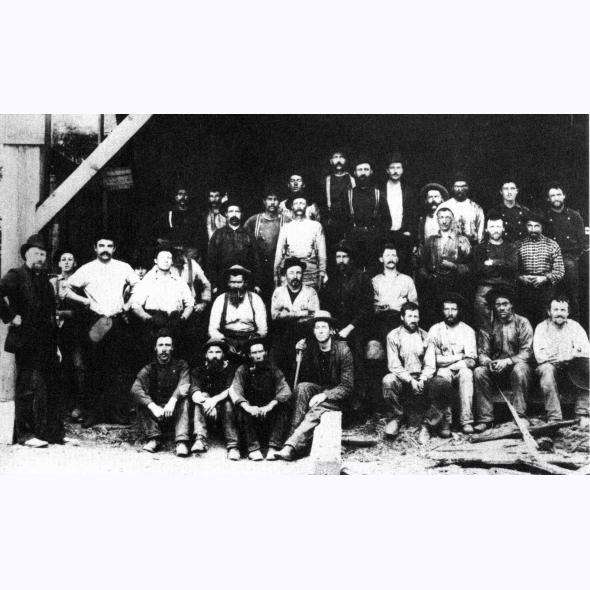
Duncans Mills
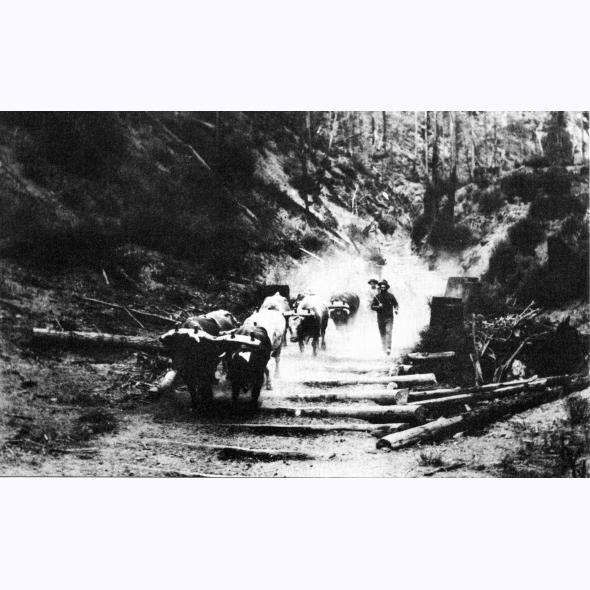
Duncans Mills